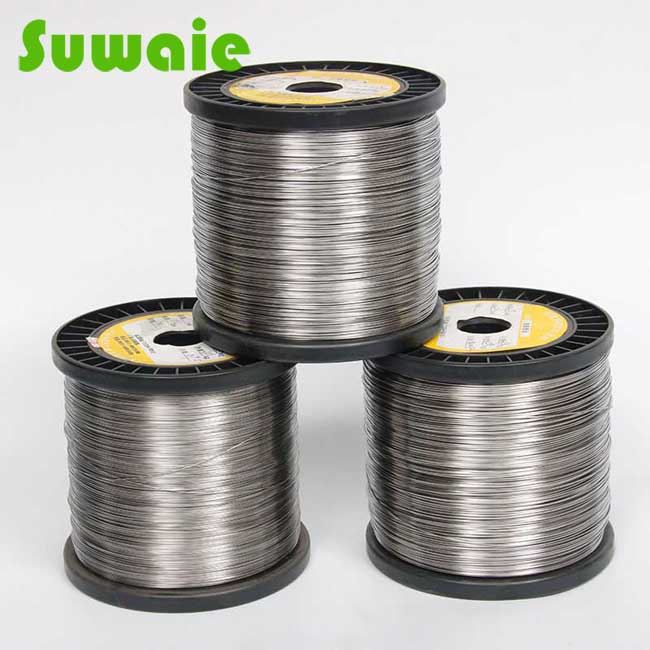
High temperature resistant materials
The high temperature resistant materials include refractory materials and heat resistant materials, and there are inorganic compounds and high molecular polymer materials. A refractory material generally refers to an inorganic material that can withstand temperatures above 1580 °C. They are building kiln, combustion chambers and other building materials that require high temperature resistance. Generally made of quartz sand, clay, magnesite, dolomite, etc., the temperature range is -80-1800 °C, the thermal conductivity is 0.03W/mK, which can suppress the heat radiation and conduction of high temperature objects and low temperature objects. Heat, for high temperature objects can maintain 70% of the heat without loss. In addition, the high temperature resistant thermal insulation coating is also characterized by insulation, light weight, convenient construction and long service life. It can also be used as an inorganic material for high temperature and acid and alkali resistant glue, and the attached object is firm. Such as refractory cement, magnesium bricks, etc. In a broad sense, inorganic refractory and heat-resistant materials mean that these compounds have high hardness, good brittleness, good chemical corrosion resistance, and a melting point of 1500 or more. Mainly divided into metal and non-metal compounds and non-metal compounds. The former such as tungsten, molybdenum, niobium, tantalum, vanadium, chromium, titanium, zirconium and other refractory metals and rare earth metal boride, carbide, nitride, silicide, phosphide and sulfide; the latter such as boron carbide, Silicon carbide, boron nitride, silicon nitride, boron phosphide, silicon phosphide, and the like. The latter has extremely important applications and can be used as high temperature refractories (such as abrasives, molds, nozzles, high temperature thermowells), heat resistant materials (such as rocket structural components, nuclear engineering materials, electric heating elements), electrical materials ( Such as high temperature thermocouples, ignition electrodes), but also used as chemical resistant materials and hard materials. The heat resistant polymer can be used as a high temperature resistant film insulating material, a high temperature resistant fiber, a high temperature resistant coating, a high temperature resistant adhesive, and the like. According to the time of high temperature resistance, it is divided into instant high temperature resistant materials and long time high temperature resistant materials. The former can withstand a few seconds to a few minutes at 1000 to 10000 °C. The ablative material is also a high temperature resistant material. For example, at 300 to 600 ° C, it can maintain its mechanical strength, chemical resistance and the like in the air.