


1. Clarify heating requirements
The requirements for material selection and heating are generally divided into three points
1.1 Temperature Range Requirements: For low-temperature heating below 100 degrees Celsius, we can choose materials such as PTC ceramic heaters and silicone heating elements. When the temperature is between 100 and 500 degrees Celsius, it is also referred to as medium-temperature heating, and materials like nichrome (NiCr alloy) wires and thick-film heaters can be selected. For temperatures above 500 degrees Celsius, which is called high-temperature heating, materials such as iron-chromium-aluminum resistance wires (FeCrAl) and infrared quartz tubes can be chosen
1.2 Heating Rate Requirements: Different heating elements have varying heating rates, some fast and others slow, depending on the user's needs. For example, a thick-film heater can typically reach the desired temperature in 3 to 10 seconds, {note that the heating time we refer to here is from the normal indoor temperature to 100 degrees Celsius}. In contrast, a PTC ceramic heater requires 1 to 2 minutes to reach the same temperature,
1.3 Uniformity of Heat Distribution from the Heater: As the name suggests, heat distribution refers to whether the heat can be evenly distributed for heating. For example, a thick-film heater can control surface temperature differences within about ±2 degrees Celsius, achieving uniform heating. Alternatively, our electromagnetic induction coil can precisely target heating to meet our needs for localized heating

2.The second key point is performance parameter evaluation
2.1 Energy Efficiency Comparison, what exactly is energy efficiency comparison? Through this article today, you can truly understand the performance of heaters. The energy efficiency comparison of heaters helps users choose more energy-saving products by evaluating the energy utilization efficiency of different heating devices. Below are common energy efficiency indicators and their key points for comparison: 1. Energy Efficiency Ratio: the ratio of heating output to input electrical power. The higher the energy efficiency ratio, the better the energy efficiency. This applies to devices such as household electric heaters and heat pumps. For ordinary electric heaters, EER is typically less than or equal to 1, while for heat pumps, EER can reach 2-4,
2.2 The second point is Seasonal energy efficiency ratio, abbreviated as SEER, which refers to the ratio of total heat production and total power consumption in the cooling season. There is also Seasonal performance coefficient of heating, abbreviated as HSPF. The higher the HSPF value, the higher the heating efficiency in winter.
2.3 The third point is thermal efficiency, which refers to the percentage of effective heat output to input energy, such as our oil heater, etc., the thermal efficiency of ordinary gas furnace is more than 80%-90%, condensing gas furnace can reach more than 95%,
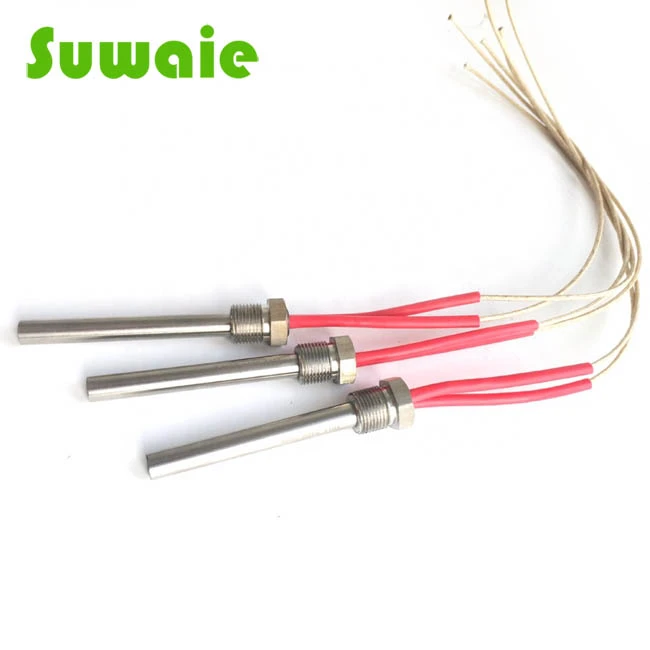
There are many factors that affect the performance of electric heaters, such as energy type, energy efficiency standards and labels, actual application comparison, etc. Interested friends can go to our company website to query www.suwaie.com, which has various types of heating components and manufacturing machinery for selection
The second point affecting the performance parameters is the choice of power density: We are generally divided into three power densities, low density, medium density and high density First of all, low density refers to <5W/cm² heater, which is generally used in household electric heaters such as induction cooker and microwave oven, etc. Medium density refers to 5-15W/cm² heating element, which is generally used in industrial equipment. High density refers to>15W/cm² heater, which is generally used in special applications
3.The third point is our choice of heater material and life analysis
3.1 I compiled a table of the material properties, maximum operating temperature, oxidation resistance, cost and application scenarios of some core materials. Each material has its own advantages and disadvantages, so we need to be careful when choosing materials
material | maximum working temperature | resistance to oxidation | prime cost | applicable scene |
nicochrome (NiCr) | 1200℃ | ★★★☆ | low | General heating |
chromium and aluminum(FeCrAl) | 1400℃ | ★★★★ | middle | High temperature industrial furnace |
PTC ceramics | 250℃ | ★★★★★ | higher | Security sensitive situations |
Graphene | 300℃ | ★★★★☆ | sky-high | High precision equipment |
3.2 Life span influencing factors
When we choose an electric heater, there is another factor that we pay more attention to, which is its service life. What kind of electric heater will have a longer service life than other heaters? There are two factors that affect it: 1. Temperature cycle times means that every 100 degrees Celsius increase in temperature reduces the service life by 10%. 2. It is the surface load design. Its definition is that exceeding the recommended value will accelerate aging. 3. Environmental factors: the electric heater needs to choose coating protection in humid environment, etc., which determines the service life
4.The fourth key point is security and authentication requirements
4.1 All electric heating tubes and heating elements are subject to a key safety standard that needs to be defined, not a three-no product, so that the buyer can buy with confidence. The following are some safety standards for electric heater
Household appliances: IEC 60335 (anti-scalding, leakage protection) Industrial equipment: UL 1778 (over temperature protection device requirements) Automotive grade: AEC-Q200 (vibration & temperature shock test)
4,2 The second is the key points of safety design
Double temperature control protection (main control + fuse) must be set grounding resistance <0.1Ω (to prevent leakage) Insulating material selection: <150℃: silicone rubber 150℃: mica or ceramic fiber
5.The fifth key point is the cost optimization strategy
Control costs and prevent things like high investment and low returns from happening
Total cost of ownership (TCO) calculation: TCO= purchase cost + (annual energy consumption x service life) + maintenance cost
Reduction method
Bulk purchase: such as resistance wire can reduce the cost by 30% Local production: reduce import tariffs (e.g., replace German heating elements) Standardized design: avoid the high cost of customization
6.typical selection errors and avoidance
6.1 Common Misconceptions
Error 1: Only compare the initial purchase price, ignoring the energy consumption difference
Error 2: Using unguarded resistance wire in a corrosive environment
Error 3: The use of high temperature heater beyond the specification leads to energy efficiency waste
6.2 Selection checklist Verify the working temperature range, calculate the actual power required, evaluate the environmental protection level (IPXX), verify the compliance with certification standards, and compare the TCO cost over 3 years
7.peroration
The selection of a high-quality heater requires a comprehensive consideration of technical parameters, operating environment and life cycle cost. Suggestions: Priority should be given to products with third-party certification The supplier is required to provide a life test report Complex scenarios can be entrusted to professional institutions for thermal simulation analysis, etc

If you are looking for best heating elements manufacturers and suppliers, please feel free to contact us for cartridge heater price and more detailed introduction. SUWAIE is a high-tech company engaged in electric heaters, For 17 years, Specialized in solving any needs for customers, At the same time, it is also our supplier and manufacturer of electric heater. There are different types of industrial heaters for sale,and they also support customization to meet all your needs and solve your problems. This is our company's website: www.suwaieheater.com, interested readers can come in to have a look, there are various types of heaters can meet your needs, looking forward to your visit, thank you!